

Selling a Vacant House in Maryland: Protect Its Value While It Sits Empty
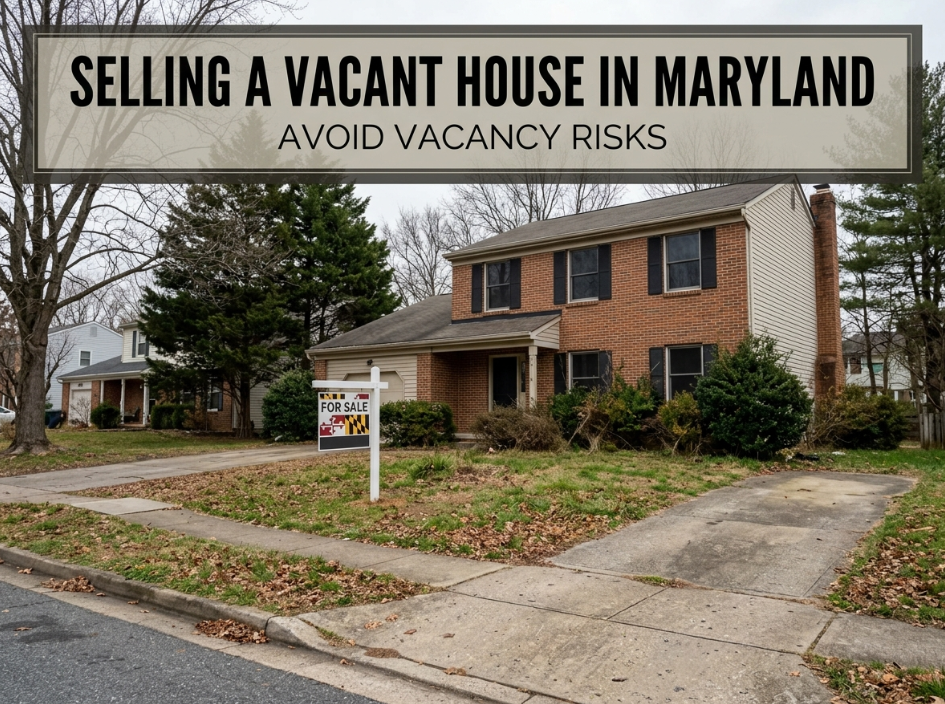
Selling a vacant house in Maryland can make showings easier, but an empty property needs active management. Insurance coverage, water damage, HVAC problems, security, curb appeal, staging, pricing, and carrying costs can affect marketability and seller net proceeds.
I am Eze Okwodu, a Maryland REALTOR® with nearly 20 years of real estate experience. Through The Eze Way, my goal is simple: protect the house, present it honestly, price it from local evidence, and prevent vacancy costs from weakening your negotiating position.
- Protect the property before marketing it.
- Keep essential systems operating.
- Price from comparable sales, not urgency.
- Measure vacancy costs against expected net proceeds.
Is It Easier to Sell a Vacant Home?
Sometimes. A vacant home makes showings and repairs easier, but empty rooms can feel smaller, defects become more visible, and buyers may assume the seller is under pressure.
| Vacant-home advantage | Risk to control |
| Easier showing access | Buyers may sense urgency |
| No occupant clutter | Rooms can feel undersized |
| Repairs are easier | Problems can go unnoticed |
| Faster possession | Security needs more attention |
The goal is to make a vacant property look clean, secure, maintained, correctly priced, and professionally managed. Empty does not have to mean neglected.
Confirm Insurance Before the House Sits Empty
Before selling a vacant home, call the insurer and explain that the property is unoccupied. Policy language may treat a vacant or unoccupied property differently, especially for theft, vandalism, water damage, or liability claims.
Ask:
- Does coverage change after a certain number of days?
- Is a vacancy endorsement or different policy needed?
- Are water, theft, vandalism, or liability losses restricted?
The Maryland Insurance Administration’s homeowners guidance specifically advises homeowners to review policy language concerning vacant or unoccupied property because some provisions can affect claim payment.
Keep Utilities and Mechanical Systems Working
Turning everything off can increase property-condition risk. An empty Maryland house still needs enough heat, electricity, water access, and HVAC operation for maintenance, inspections, repairs, appraisals, and the final walkthrough.
Prioritize:
- Heat sufficient to protect plumbing
- Electricity for lighting, alarms, HVAC, and inspections
- Water where inspections or repairs require it
- HVAC operation when humidity or moisture is a concern
- Immediate response to leaks or drainage issues
Water intrusion, frozen plumbing, excess moisture, and an unnoticed mechanical failure can turn a manageable maintenance issue into a buyer concern.
If condition is uncertain, my Maryland pre-listing inspection guide explains when finding problems before the buyer does may improve your negotiating position.
Keep the Exterior From Looking Abandoned
Overgrown grass, piled mail, trash, dark entry areas, weeds, or neglected walkways can weaken buyer perception before anyone reaches the front door.
Keep the property market-ready:
- Schedule lawn and seasonal maintenance
- Remove flyers, packages, mail, and trash
- Check exterior lighting and entry hardware
- Keep walkways and drainage areas clear
- Inspect windows, doors, locks, and garage access
For a vacant property, curb appeal is also a security signal. A well-maintained exterior tells buyers the home is being monitored and cared for, not forgotten.
This is also why seemingly minor preparation problems can become costly Maryland home-selling mistakes when they affect first impressions or delay the sale.
Stage Only Where Staging Helps Buyers
Full staging is not always necessary when selling an empty house. Use it when buyers need help understanding room scale, furniture placement, or how an unusual space should function.
| Property situation | Presentation choice |
| Simple, clean layout | Professional photography may be enough |
| Awkward room use | Selective physical staging |
| Remote seller | Accurate virtual staging may help |
| Visible moisture or repairs | Fix the issue before adding decor |
Staging should clarify function and scale. It should never distract from deferred maintenance, water intrusion, damaged flooring, odors, unfinished repairs, or other condition concerns.
Professional photography, lighting, room presentation, and showing readiness should support the property’s actual value, not create an unrealistic version of it.
Price the Vacant House From Local Market Evidence
Vacancy does not determine market value. Comparable sales, property condition, location, buyer demand, active competition, renovations, and financing conditions matter more.
For Prince George’s County sellers, I compare relevant homes in Bowie, Upper Marlboro, Hyattsville, Clinton, Lanham, Laurel, and nearby DMV communities when appropriate.
Keep three numbers separate:
- Probable market value
- Monthly vacancy cost
- Minimum acceptable seller net proceeds
That distinction keeps urgency or carrying costs from becoming an unsupported list price.
I see this frequently in pricing decisions. A seller may need a certain amount from the property, but buyer demand and comparable sales still determine what the market is likely to support. My guide to Maryland home-pricing mistakes explains that difference in more detail.
Calculate the Real Carrying Cost of Vacancy
Vacancy still costs money. Mortgage payments, property taxes, homeowners insurance, utilities, HOA charges, security, lawn care, repairs, and routine maintenance continue until ownership transfers.
Monthly vacancy cost = mortgage + taxes + insurance + utilities + association charges + maintenance + security
If those expenses total $3,000 monthly, another 60 days can consume roughly $6,000 before an unexpected repair appears.
Compare that cost with:
- A reasonable price adjustment
- Essential repairs
- Selective staging
- A buyer credit
- A stronger offer with cleaner terms
The best sale is not automatically the highest asking price. What matters is seller net proceeds, contract risk, timing, financing strength, and the probability of settling.
That is why I also encourage sellers to calculate their likely Maryland closing costs and net proceeds before making price decisions.
Maryland Disclosure Duties Still Apply
A vacant property is still subject to applicable Maryland residential disclosure rules. Sellers should organize known information about property condition and use the required disclosure or disclaimer documentation when applicable.
Prepare records covering:
- Roof, foundation, and structural concerns
- Water intrusion, basement moisture, and drainage
- Plumbing, electrical, heating, and air-conditioning systems
- Pest or termite history
- Repairs, permits, invoices, and warranties
- Known latent defects
Maryland Real Property §10-702 addresses residential disclosure and disclaimer requirements and known latent defects for covered transactions. Vacancy itself does not remove those responsibilities.
Property-specific legal questions should go to an appropriate Maryland professional.
Create a Property-Check System if You Live Elsewhere
Remote sellers need a repeatable inspection routine. Check plumbing, indoor temperature, moisture, forced entry, storm damage, and exterior condition regularly.
Keep a simple visit log:
- Date and person entering the home
- Interior and exterior photos
- Thermostat and utility status
- Basement, ceiling, and plumbing check
- Door, window, alarm, and lock status
- New repairs or maintenance completed
This creates a basic property monitoring record and gives the listing agent better information when buyers ask how the house has been maintained since move-out.
It is especially valuable for relocated owners, estate properties, former rentals, and sellers who have already purchased another home.
Do Not Let Vacancy Signal Seller Desperation
Buyers may assume an empty house means the owner already moved and must accept less. Strong listing preparation can prevent vacancy from becoming a negotiating weakness.
Focus on five controls:
- Price from recent comparable sales and active competition
- Use professional photography that shows room scale accurately
- Keep showing access easy but controlled
- Maintain lighting, temperature, cleanliness, and exterior appearance
- Evaluate financing, contingencies, credits, appraisal risk, and closing timing together
A vacant home can actually offer convenience. Flexible showing availability and faster possession can become selling points without suggesting the owner will accept any offer.
If buyer activity remains weak, the correct response is evidence, not panic. My guide to a Maryland house still unsold after 30 days explains how I reassess price, condition, presentation, and market response.
Match the Plan to Why the Home Became Vacant
An inherited property, former rental, job relocation, second home, and move-up purchase can all create vacancy, but the seller’s risks differ.
- Inherited home: confirm authority, insurance, condition, and carrying costs.
- Former rental: compare turnover work, another tenancy, and an open-market sale.
- Relocation: prioritize remote oversight and realistic settlement timing.
- Second home: compare ongoing ownership costs with the property’s purpose.
- Already bought another home: monitor double housing expenses carefully.
For estate properties, my guide to selling an inherited house in Maryland covers additional decisions involving condition, ownership authority, mortgage obligations, and sale preparation.
The reason for vacancy should shape the strategy, but it should never replace local market evidence.
If your Maryland house is already empty, contact me to discuss your vacant-home sale. We can review condition, competition, pricing strategy, vacancy costs, and likely net proceeds before another month passes.