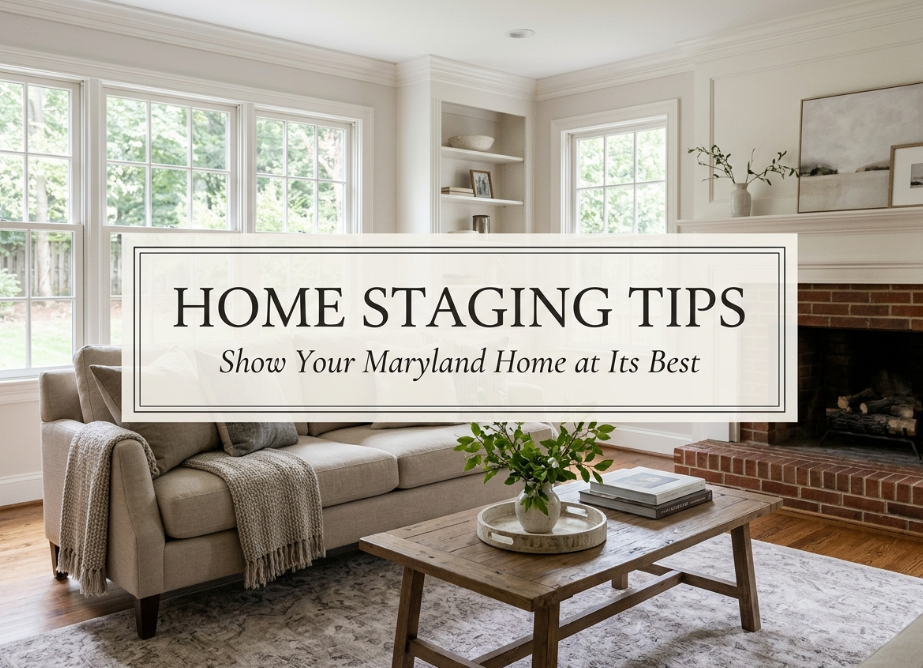


Home Staging Tips for Maryland Sellers: Where Presentation Helps and Where It Does Not
Home staging tips that help most are simple: remove clutter, deep clean, improve light, clarify each room’s purpose, and focus on spaces buyers notice first. Staging can strengthen photos and help buyers understand a home, but it cannot fix an unrealistic price, major defects, or a poor location. Use it to reveal value, not manufacture it.
At The Eze Way, I help Maryland sellers decide what deserves attention before listing and what is unlikely to improve the sale.
Prioritize three things first:
- Make the home easier to understand.
- Remove distractions before adding decor.
- Spend only where presentation supports the likely price.
Staging Should Clarify the Home, Not Disguise Problems
Home staging is not remodeling. It is presentation that helps buyers see space, function, light, and lifestyle without being distracted by excess furniture, personal items, or visual clutter.
The National Association of REALTORS® found in its 2025 Profile of Home Staging that 83% of buyers’ agents said staging made it easier for buyers to visualize a property as their future home.
That is the real goal: help buyers understand what is already there.
Start With Cleaning, Decluttering, and Depersonalizing
The best home staging tips for selling usually begin with subtraction, not shopping. A crowded room can look smaller in listing photos even when its square footage is competitive.
Before buying new decor:
- Clear kitchen and bathroom counters.
- Reduce furniture that blocks walkways.
- Pack excess family photos and collections.
- Organize visible storage.
- Remove pet supplies during photography and showings.
- Clean windows, floors, grout, fixtures, and baseboards.
This work supports both photography and in-person showings. It also costs far less than decorating every room.
Stage the Rooms Buyers Notice Most
Not every room deserves the same staging budget. NAR’s 2025 research found buyers’ agents considered the living room most important to stage, followed by the primary bedroom and kitchen.
| Room | Buyer-Agent Importance in NAR Survey | Practical Priority |
| Living room | 37% | High |
| Primary bedroom | 34% | High |
| Kitchen | 23% | High |
| Other rooms | Lower | Stage selectively |
That supports a focused strategy when time or money is limited. Spend where staging helps buyers understand the main living experience.
Home Staging Tips for the Living Room
Useful home staging tips for the living room focus on scale and traffic flow. The room should show where people sit, how they move through the space, and what feature deserves attention.
Try these adjustments:
- Remove oversized or extra furniture.
- Keep pathways open.
- Face seating toward a natural focal point.
- Let windows and natural light stay visible.
- Use a rug only when it defines the seating area cleanly.
- Limit accessories to a few intentional pieces.
The goal is not to make the room look expensive. It is to make the room look usable.
Keep the Kitchen and Primary Bedroom Simple
Buyers read kitchens quickly. Clear counters make workspace easier to judge, while clean appliances, lighting, hardware, and surfaces signal care without pretending the kitchen is newly renovated.
For the primary bedroom, use properly scaled furniture, simple bedding, clear nightstands, and open floor area. A calm room helps buyers judge dimensions instead of focusing on possessions.
If surfaces are damaged or repairs are more important than styling, review my guide to Maryland home repairs before selling, before spending on decorative upgrades.
Occupied and Vacant Homes Need Different Staging
An occupied home usually needs editing. A vacant home may need selective furniture so buyers can understand room scale or an unusual layout.
| Property Situation | Better Starting Point |
| Occupied and crowded | Declutter and reduce furniture |
| Occupied and well arranged | Light styling and photography |
| Vacant with obvious room function | Professional photos may be enough |
| Vacant with awkward spaces | Selective physical staging |
| Vacant and remote | Accurate virtual staging may help |
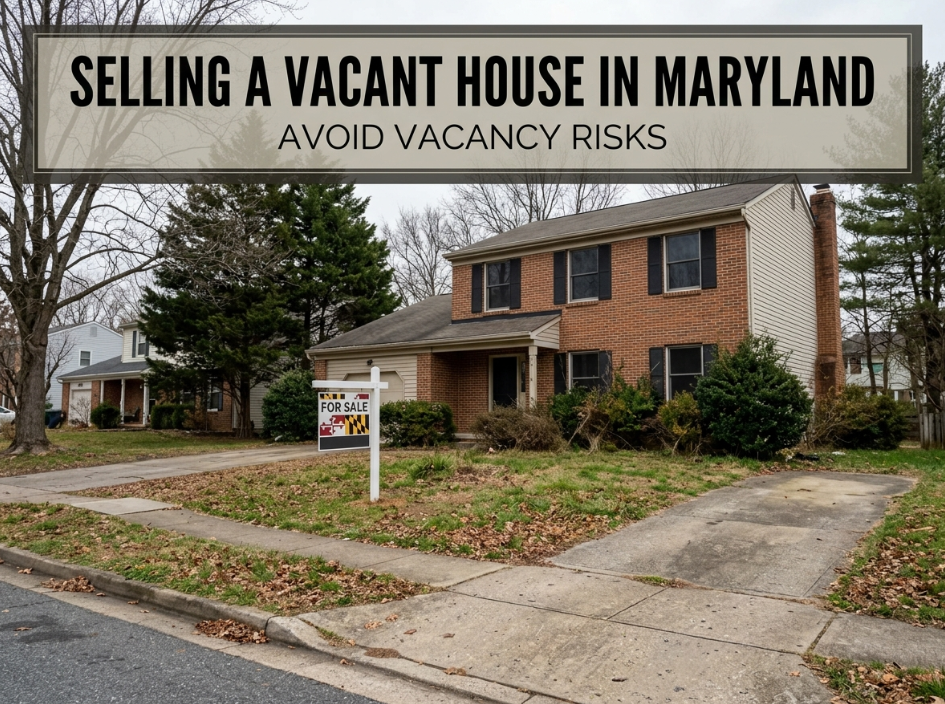
My vacant-house selling guide explains why full staging is not automatically necessary for every empty property.
Virtual Staging Helps Online, but It Must Stay Honest
Virtual staging can help a vacant room communicate scale and furniture placement without moving physical furniture into the property.
It becomes less useful when edited images create features, finishes, or room conditions that do not exist. Buyers should understand what is digitally presented and what they will actually see.
Use virtual staging to explain space, not to disguise condition.
Curb Appeal Starts the Staging Before the Front Door
Tips for staging your home to sell should include the exterior because buyers form an opinion before they enter.
Focus on visible maintenance and order:
- Cut grass and trim overgrowth.
- Clear the walkway and porch.
- Clean the front door and hardware.
- Remove broken planters or excess decor.
- Check exterior lighting.
- Hide trash and unnecessary equipment.
A clean entrance supports the photographs and makes the property feel cared for.
Staging Cannot Rescue the Wrong Price
Presentation can increase attention, but it does not create market value by itself. Buyers still compare your home with recent sales and current competing listings.
If a staged home is priced above what its location, condition, and comparable sales support, buyers may simply admire it and purchase something else.
Use my Prince George’s County home-value guide to separate presentation from realistic market value before choosing a listing price.
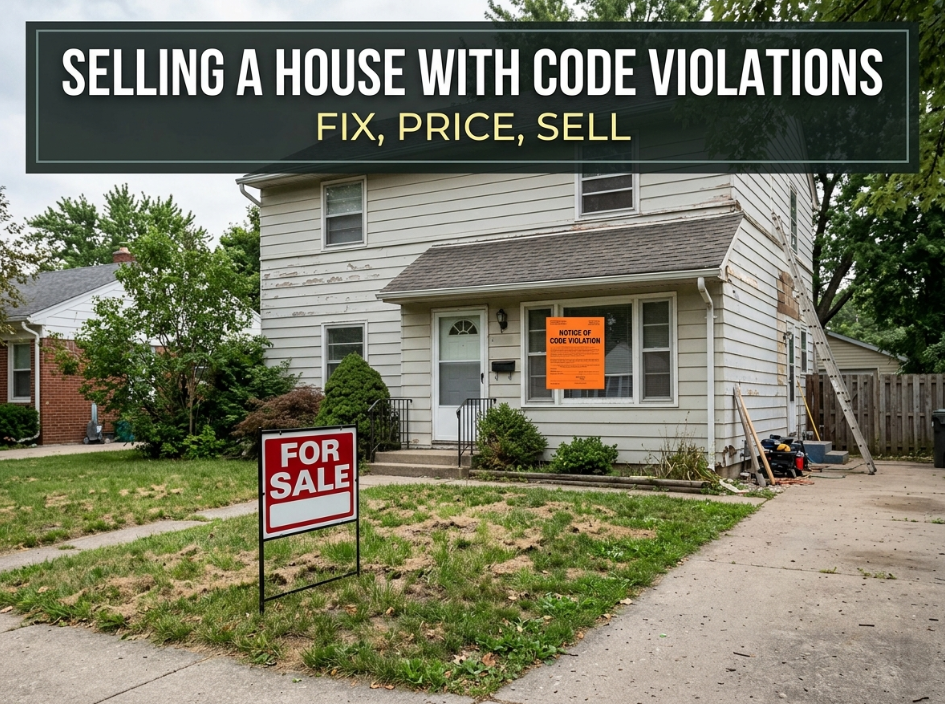
Staging Cannot Hide Repairs Buyers Will Notice
Fresh pillows cannot solve an active leak, damaged flooring, unsafe railing, failed HVAC system, or serious moisture issue. Styling over defects can actually increase distrust when buyers discover them.
If condition is uncertain, a pre-listing home inspection may help identify which problems deserve investigation before marketing.
The staging budget should come after important safety, function, and maintenance decisions.
Do Not Turn Staging Into an Unnecessary Renovation
Some sellers hear “prepare the home” and begin replacing cabinets, flooring, countertops, fixtures, and furniture. That can turn a presentation project into a renovation with a very different cost and risk.
A high-end property may justify more extensive or luxury home staging if competing listings establish that expectation. A typical Maryland seller should still compare cost with likely buyer response.
My guide to Maryland home-selling mistakes explains why weak preparation can hurt, but overspending is not the solution.
Decide What to Stage Before You Spend
For home staging tips for sellers, I would separate the property into three buckets before hiring anyone.
Stage now:
- Main living room
- Primary bedroom
- Kitchen presentation
- Entry and obvious outdoor living areas
- Awkward spaces buyers may misunderstand
Fix first:
- Active damage
- Safety concerns
- Broken fixtures
- Strong odors with an unresolved source
- Visible deferred maintenance
Usually skip:
- Decorating every bedroom
- Trend-driven furniture purchases
- Expensive remodels labeled as staging
- Changes that do not support the target buyer or price tier
This keeps the preparation budget connected to the sale.
Use Staging as Part of the Selling Strategy, Not the Whole Strategy
Through The Eze Way’s Maryland selling service, I connect preparation with pricing, professional photography, marketing, buyer feedback, offer comparison, and expected seller net.
Staging works best when it strengthens a home that is already priced and presented honestly. It works poorly when sellers use it to avoid a pricing, condition, or repair decision.
If your next move depends on what you keep after closing, compare preparation costs with your Maryland seller closing-cost plan before approving expensive staging.
If you want to know which rooms actually deserve work, contact Eze about your Maryland home. I can help you compare condition, competition, price range, and presentation before the listing goes live.
Five FAQs
Does home staging really help sell a house?
Staging can improve buyer visualization, photos, and presentation. NAR research shows many agents observe benefits, but staging cannot guarantee a higher price or faster sale.
What rooms should I stage first when selling?
Prioritize the living room, primary bedroom, and kitchen. NAR’s 2025 research identified those as the three rooms buyers’ agents considered most important to stage.
Should I stage an empty house before selling?
Not always. Clear, conventional rooms may photograph well empty. Selective physical or virtual staging becomes more useful when buyers may misunderstand scale, layout, or room function.
Can staging make an overpriced home sell?
Staging can improve interest and presentation, but it cannot create market value. Buyers still compare price, condition, location, features, and recent comparable sales.
Is virtual staging better than physical staging?
Virtual staging is useful for online visualization, especially in vacant homes. Physical staging can influence both photos and showings. The better choice depends on layout and budget.