

Selling a House With Code Violations in Maryland: Fix, Disclose, or Price Around Them?
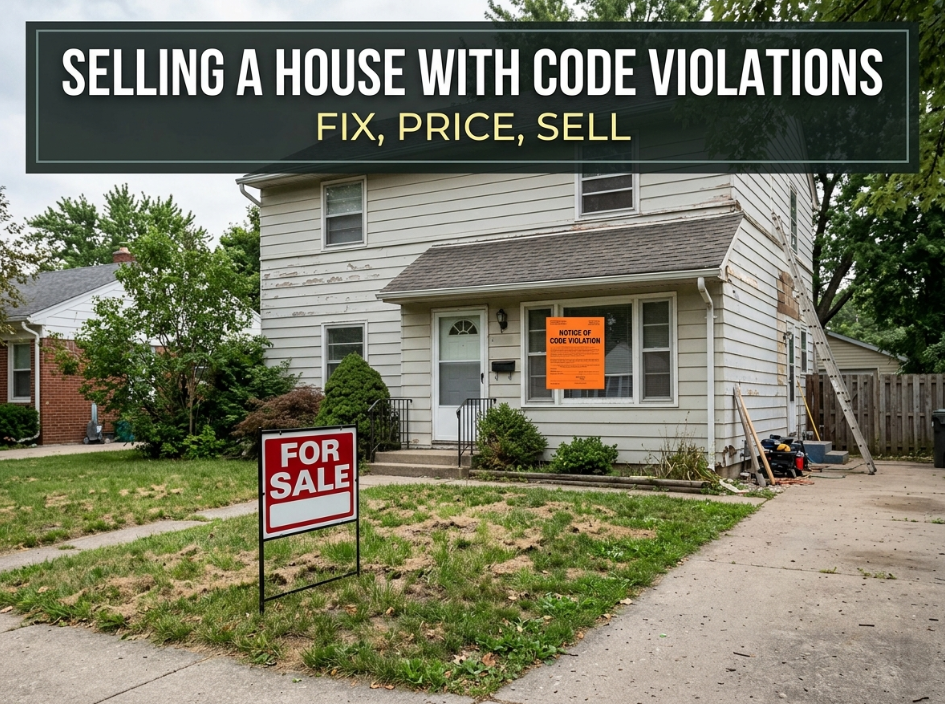
Selling a house with code violations in Maryland is possible, but strategy depends on the violation, permit history, safety risk, buyer financing, repair cost, and expected seller net. Some problems are worth fixing. Others are better disclosed and priced into the deal.
I am Eze Okwodu, a Maryland REALTOR® with nearly 20 years of agent and investor experience. Through The Eze Way, I help Prince George’s County sellers separate a manageable compliance issue from a problem that can derail appraisal, financing, title work, or closing.
Can You Sell a House With Code Violations?
Yes, a sale may still be possible. The real question is whether the specific issue must be corrected, can remain documented for the buyer, or will prevent your likely buyer from closing.
Before choosing a strategy, identify:
- The exact violation or citation
- The agency that issued it
- The compliance deadline
- Open permits or unpermitted construction
- Accrued fines or liens
- Health or safety concerns
- Likely repair cost
- Buyer financing limitations
- Prince George’s County may issue a Notice of Violation or Civil Citation and reinspect after the correction period.
Start With the Actual County Record
Do not spend thousands before confirming what is open. A buyer inspection defect, an expired permit, unpermitted construction, and an official code enforcement case create different selling risks.
Check:
- County permit history by address
- The written violation notice
- Contractor paperwork and invoices
- Past renovation records
- Permit and inspection status
- Any citation, fine, or compliance deadline
- Whether the issue is paperwork, safety, unfinished permitting, or physical construction
Prince George’s County provides permit and inspection history tools for property research.
Code Violation, Defect, or Unpermitted Work?
A home inspector reports defects and safety concerns, while a code official enforces local requirements. Unpermitted work involves construction completed without required approvals, which can create both condition and permitting questions.
| Problem | What it may mean for the sale |
| Open code violation | Compliance deadline and reinspection |
| Unpermitted work | Permit, correction, or removal may be required |
| Open or expired permit | Final inspection or closure may be needed |
| Ordinary defect | Buyer negotiation without an official code case |
| Recorded lien or fine | Extra title and settlement review |
Prince George’s County identifies additions, many renovations, electrical work, mechanical work, plumbing, decks, and other projects that may require permits.
When Fixing Before Listing Protects More Value
I would lean toward fixing first when the correction is clear, affordable, and likely to restore a larger buyer pool. Small safety or permit issues can create outsized buyer anxiety.
Good candidates include:
- Straightforward safety corrections
- A permit mainly needing final inspection
- Minor property-maintenance violations
- Problems likely to trigger lender or appraisal concern
- Repairs cheaper than the likely as-is discount
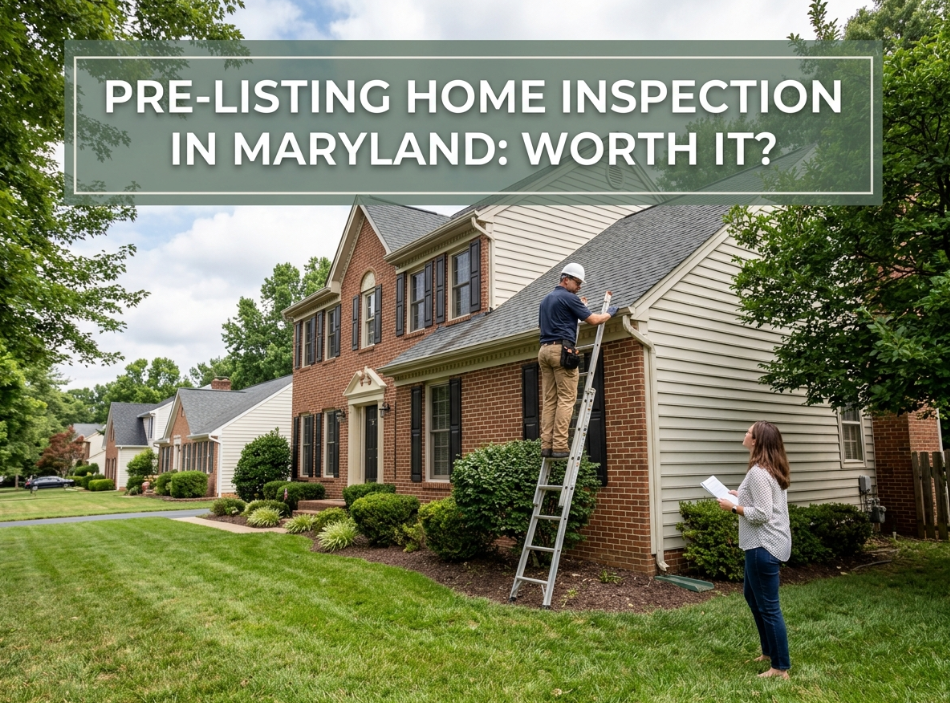
- A pre-listing home inspection can reveal related defects, but it does not replace county permit or code records.
When Pricing Around the Problem Makes More Sense
Some violations are expensive, uncertain, or tied to old work you did not perform. Spending heavily before understanding the market can reduce seller net without creating equal value.
Pricing around the issue may fit when:
- Repair scope is uncertain
- The property is already a fixer
- Demolition could be required
- Your timeline matters more than maximum gross price
- A qualified buyer accepts the documented condition
- Repair cost exceeds likely value improvement
- The discount should reflect repair risk, buyer demand, financing limits, and comparable sales, not fear.
Reviewing common Maryland home pricing mistakes can help separate market value from money you simply hope to recover.
Fix, Credit, Reduce the Price, or Sell As-Is?
There is no single best answer. Compare the cost of solving the violation with its effect on financing, buyer pool, days on market, and expected net proceeds.
| Option | Best fit | Main tradeoff |
| Fix before listing | Clear, manageable violation | Upfront cash and time |
| Price reduction | Buyer can accept the issue | Lower gross price |
| Seller concession | Negotiable issue and lender permits it | Lower seller net |
| Sell as-is | Major work or limited repair budget | Smaller buyer pool |
| Cash or investor sale | Financing barriers are severe | Convenience may cost price |
Important: A concession cannot solve every violation. If a lender, appraiser, insurer, title company, or local authority requires correction, money alone may not remove the condition.
If a credit is being considered, review how seller concessions in Maryland affect the full offer rather than focusing only on repair cost.
Unpermitted Work Needs Its Own Plan
Unpermitted work creates two questions: is the improvement physically sound, and was it legally approved? A finished basement can look excellent while still carrying a building permit problem.
Prince George’s County says unpermitted construction can be addressed by removing the work or obtaining a permit.
Collect:
- Permit history
- Plans and contractor invoices
- Electrical, plumbing, or mechanical records
- Inspection results
- County correspondence
- Written repair or permitting estimates
- Documentation that turns a vague buyer fear into a problem that can be evaluated.
How Violations Affect Appraisal and Financing
A code issue becomes more expensive when it appears after contract. The buyer may already have inspection rights, lender conditions, appraisal requirements, and a closing deadline.
Possible effects include:
- Repairs required before loan approval
- An appraisal subject to correction
- Insurance concerns
- Buyer requests for credits or reductions
- Delayed settlement
- A smaller financed-buyer pool
- Contract cancellation if contingencies allow it
- Understanding the issue before marketing protects your negotiating position.
This is why the Maryland home-selling process should connect condition, pricing, buyer financing, negotiation, and closing rather than treating repairs as an isolated decision.
Maryland Disclosure Rules Still Matter
Selling as-is does not mean hiding known conditions. Maryland’s residential disclosure law requires the applicable disclosure or disclaimer form for covered transactions and addresses known latent defects.
Keep these distinctions clear:
- Maryland defines a latent defect as a material defect a buyer would not reasonably discover through careful visual inspection that directly threatens health or safety.
- A code violation is not automatically identical to a latent defect.
- Sellers should disclose what Maryland law and the contract require.
- Property-specific legal questions should go to a Maryland attorney.
Do Not Assume Every Older Feature Must Be Updated
Older homes are not automatically illegal because building standards changed. The better question is whether the work was lawful when completed, properly permitted when required, and subject to an active violation now.
Before assuming an upgrade is mandatory:
- Check construction and renovation dates
- Review permit history
- Read the actual notice
- Ask what officially closes the case
- Separate current safety issues from newer standards
- Get qualified contractor or legal advice where needed
Calculate Seller Net Before Choosing Repairs
The largest repair is not automatically the smartest repair. Compare the likely repaired sale with the expected as-is sale, carrying costs, credits, liens, and closing expenses.
| Decision | Simple calculation |
| Repair first | Likely repaired sale price minus repairs, carrying costs, and selling expenses |
| Sell as-is | Likely as-is price minus credits, liens, carrying costs, and selling expenses |
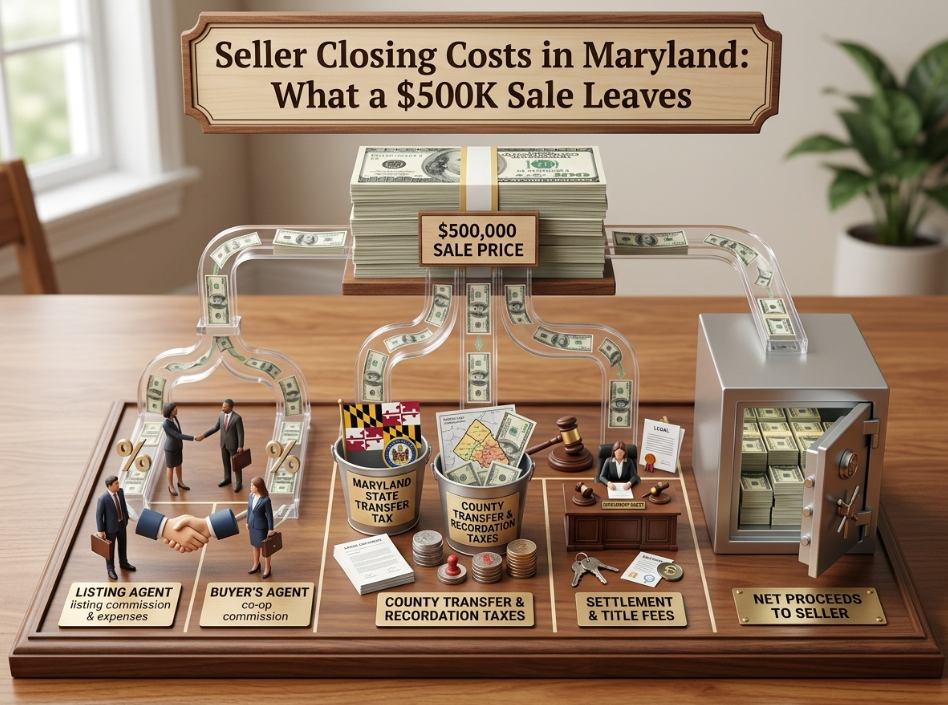
Use the net, not the headline sale price, to decide whether a correction protects value. My guide to seller closing costs in Maryland can help build that calculation.
Local Experience Helps When the Problem Is Complicated
Code issues often overlap with pricing, inspections, appraisal concerns, seller concessions, old contractor work, and buyer financing. I have worked in DMV real estate as an agent and investor for nearly 20 years, and The Eze Way reports a 5-star Zillow rating and hundreds of regional transactions.
My role is to:
- Identify the actual obstacle
- Connect compliance status to market value
- Compare repair cost with likely buyer discount
- Anticipate financing and appraisal friction
- Coordinate the listing strategy with contractors, inspectors, permit offices, title professionals, lenders, or attorneys when needed
You can review my real estate background before deciding who should guide a complicated Maryland sale.
How to Sell a House With Code Violations Without Giving Away Value
If you need to sell a house with code violations, do not automatically renovate everything or accept the first steep discount. Determine what is open, what must be corrected, what buyers can finance, and what each choice does to your net.
At The Eze Way, I help Maryland sellers connect property condition with pricing, preparation, marketing, negotiation, and closing. Start with:
- The official compliance record
- Permit and inspection history
- Reliable repair estimates
- Local comparable sales
- Likely buyer financing
- Expected seller net
- A clear disclosure and contract strategy
Once those facts are known, you can decide whether fixing, disclosing, pricing around the issue, or selling as-is gives you the stronger path to settlement. If you already have a violation notice or unresolved permit, contact me about your Maryland property before spending money without a sale strategy.