Title Insurance for Homeowners in Maryland: What Buyers Should Protect Before Closing
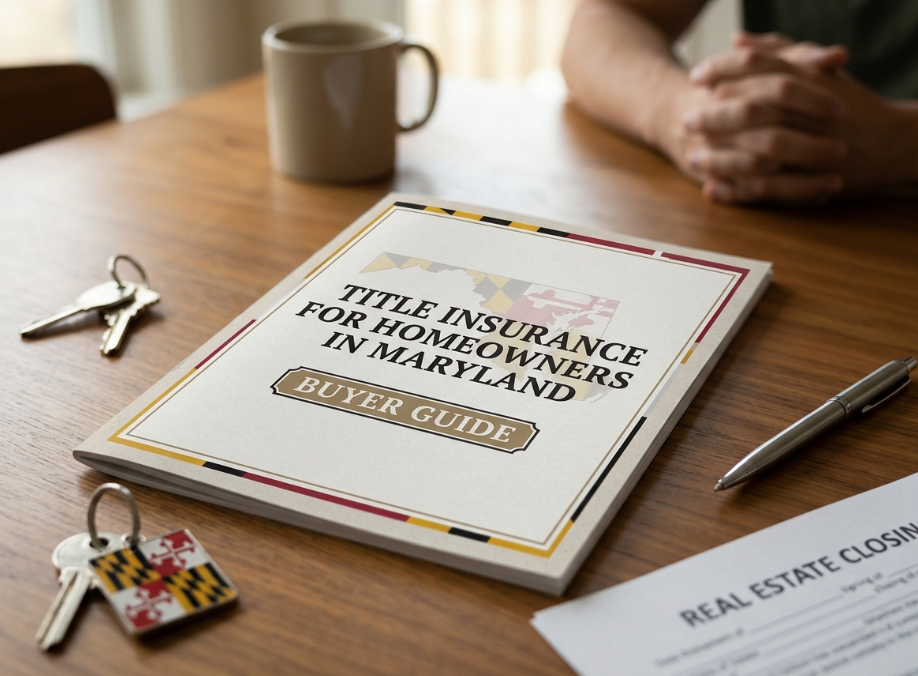
Title insurance for homeowners protects your legal ownership from certain problems tied to a property’s past. In Maryland, a lender’s policy protects the mortgage company, while an owner’s policy protects your interest in the home. Before closing, review coverage, title exceptions, fees, and who pays so there are no surprises at settlement.
Owner’s and Lender’s Title Insurance Protect Different Interests
A lender’s policy protects the lender’s financial interest. An owner’s title insurance policy protects the buyer’s ownership interest.
| Policy | Protects | Usually required? |
| Lender’s title policy | Mortgage lender | Commonly required with financing |
| Owner’s title policy | Home buyer | Usually optional |
| Homeowners insurance | Home and liability risks | Commonly required by lenders |
A lender’s policy does not protect your equity. Do not assume you are personally covered just because “title insurance” appears on the closing paperwork.
What a Maryland Title Search Checks
Before settlement, the title company reviews public land records to confirm ownership and identify problems that may affect the transfer.
A title search may uncover:
- unpaid mortgages;
- tax liens;
- judgments;
- easements;
- rights of way;
- ownership claims;
- deed errors;
- recorded restrictions.
This helps establish the chain of title and whether the seller can transfer ownership cleanly. A home inspection checks physical condition. A title search checks legal history.
Why a Clean Title Search Does Not Remove Every Risk
Some problems are not obvious in public records.
A hidden title defect may involve:
- a forged signature;
- an unreleased mortgage;
- a missing heir;
- a filing error;
- an undisclosed ownership claim;
- an incorrectly recorded lien.
This is where title insurance buyer protection matters. The title search tries to catch problems before closing. The policy may respond to covered problems discovered later.
Read the Title Commitment Before Signing
The title commitment usually shows what the insurer plans to cover and what it will exclude. Those exclusions are often called exceptions.
Check for:
- easements;
- restrictions;
- unresolved liens;
- access issues;
- old mortgages;
- legal-description problems;
- property-specific exceptions.
An exception means the policy may not protect you from that issue. Ask questions before settlement, not after the deed records.
Who Pays for Title Insurance in Maryland?
Do not assume the seller always pays. Payment depends on the contract, financing, credits, and negotiation.
Commonly:
- the lender’s policy is tied to the buyer’s mortgage;
- the owner’s policy is a separate buyer decision;
- seller credits may help with eligible closing costs;
- final charges appear on the Closing Disclosure.
Maryland buyers can choose their title company. Title premiums are regulated, but settlement-related service fees can differ, so compare the full closing cost.
How Much Does Title Insurance Cost in Maryland?
There is no single price for every Maryland purchase.
Cost can depend on:
- purchase price;
- policy amount;
- owner and lender coverage;
- endorsements;
- reissue pricing;
- settlement fees.
Ask for an itemized quote separating insurance premiums from service fees. Also ask whether you qualify for a reissue rate and whether owner and lender policies can be issued together at a lower combined cost.
Does a Cash Buyer Need Title Insurance?
A cash buyer has no lender requiring lender coverage, but the property still has a legal history.
Title insurance for a cash buyer can still matter because cash does not eliminate prior liens, ownership disputes, forged deeds, recording errors, easements, or undisclosed claims.
The better question is: how much of your own capital are you willing to expose if a covered title problem appears later?
Does New Construction Need Title Insurance?
A new house does not mean new land.
A newly built home can still sit on land affected by:
- easements;
- access rights;
- recorded restrictions;
- contractor claims;
- financing liens;
- prior ownership issues.
That is why new home title insurance can still matter. If you are buying from a builder, read our Maryland new-construction buying guide for contract, inspection, financing, and settlement issues.
Is Title Insurance the Same as Homeowners Insurance?
No. Title insurance for homeowners protects against certain ownership problems connected with the property’s past. Homeowners insurance addresses different future property and liability risks.
A simple way to remember it:
- Title insurance: Who legally owns the property?
- Homeowners insurance: What happens after you own it?
They solve different problems.
How Do I Know If I Already Have Title Insurance?
Do not assume you have an owner’s policy because you paid a title company at closing.
Check:
- your Closing Disclosure;
- your settlement documents;
- the title policy package;
- the named insured;
- the policy amount.
If you cannot find the documents, contact the settlement company and ask specifically whether an owner’s title insurance policy was issued in your name. Asking only whether “title insurance was purchased” may confirm only the lender’s policy.
What Maryland Buyers Should Ask Before Settlement
Before signing, confirm exactly what you are buying and what remains outside coverage.
Ask:
- Who is insured under each policy?
- What exceptions apply?
- Are prior liens being released?
- Does an easement affect the property?
- What does enhanced coverage add?
- Do I qualify for reissue pricing?
- Which charges are premiums?
- Which charges are settlement fees?
These questions are more useful than simply asking, “Do I need title insurance?”
Nigerian and African Buyers Should Clarify U.S. Closing Roles
Property transactions do not work the same way in every country. Nigerian and other African buyers purchasing in Maryland should understand who handles the deed, title search, settlement funds, lender coverage, owner coverage, lien releases, and recording.
Clear roles matter when you are buying in the U.S. for the first time or coordinating money from abroad.
Our Maryland mortgage guide for Nigerian buyers can help with financing preparation.
Compare the Title Company, Not Just the Premium
Buyers often compare lenders carefully and accept the first title company recommendation they receive. It is worth comparing the provider too.
Look at:
- responsiveness;
- explanation quality;
- settlement fees;
- title review process;
- Maryland closing experience;
- willingness to explain exceptions;
- coordination with your lender and agent.
The lowest quote is not automatically the best choice if communication becomes difficult when a problem appears before closing.
The Better Question Before Closing
Instead of asking, “Is this another fee I can skip?” ask, “What risk am I keeping if I decline this coverage?”
Review:
- insured amount;
- named insured;
- policy exceptions;
- coverage level;
- title-company fees;
- reissue eligibility;
- Closing Disclosure charges.
That is how title insurance for home purchase becomes an ownership decision instead of another unexplained line on a settlement statement.
At The Eze Way, I help buyers across Prince George’s County and the wider DMV understand how the offer, inspection, appraisal, financing, title work, and settlement fit together. If you are preparing to buy, contact Eze about your Maryland purchase before closing questions become last-minute problems.
Common Buyer Questions
Is owner’s title insurance required in Maryland?
Owner’s coverage is usually optional. A mortgage lender may require lender’s title insurance, but that policy protects the lender rather than the homeowner’s equity.
How long does an owner’s title policy last?
An owner’s policy generally remains in effect while the insured owner keeps an interest in the property, subject to its terms, exclusions, and coverage limits.
Can I choose my own title company in Maryland?
Yes. Maryland buyers can choose the title company handling settlement. Compare total fees, service quality, and the company’s ability to explain title issues clearly.
Can a seller help with title-related closing costs?
Potentially. Seller credits may cover eligible closing costs depending on the contract, loan program, lender rules, and negotiated terms.
What does title insurance not cover?
A title policy does not cover every property problem. Specific exclusions, listed exceptions, and events after purchase may fall outside coverage.