Buying a New Construction Home in Maryland: Costs, Timeline, and Builder Questions
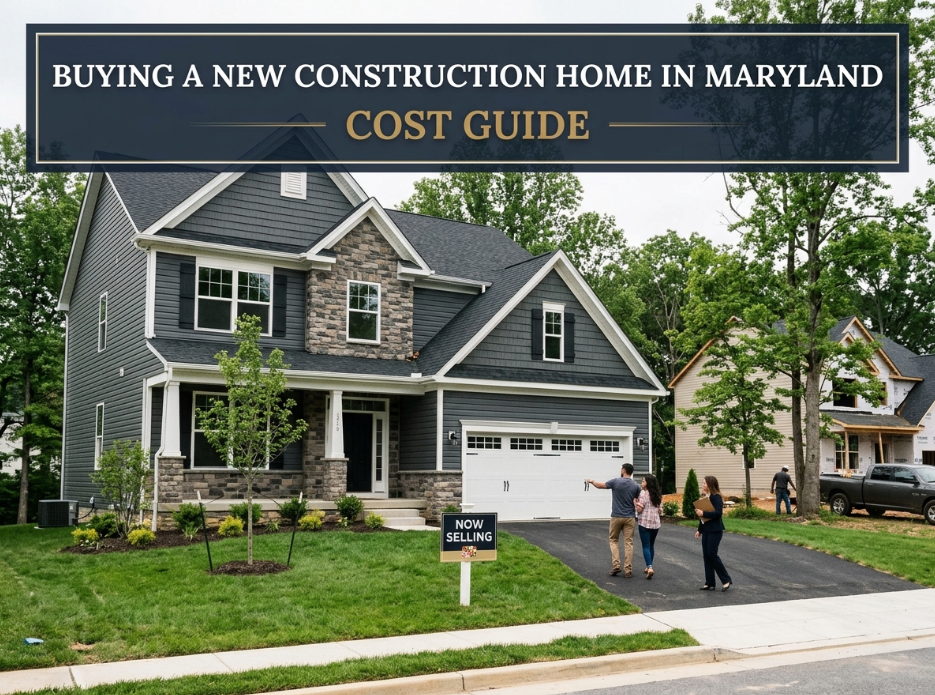
Buying a new construction home in Maryland is different from buying a resale house. The builder controls the contract, construction schedule, included features, and often the incentive package. Your job is to separate the advertised base price from the real cost, understand when your deposit becomes at risk, inspect before finishes hide problems, and compare financing before you sign.
At The Eze Way, I help Maryland home buyers connect the builder’s promises with the numbers, deadlines, and long-term fit of the home.
Start With the Real Price, Not the Model-Home Price
A model home is designed to sell the community, not to show the cheapest version of the floor plan. When buying a new home from a builder, ask for a written list of standard features before choosing upgrades.
Your actual budget may include:
| Cost layer | What to verify before signing |
| Base price | Exact floor plan, elevation, and standard finishes |
| Lot premium | Extra charge for location, size, view, or corner lot |
| Structural options | Basement, extra bedroom, extension, garage changes |
| Design upgrades | Flooring, cabinets, countertops, lighting, appliances |
| Community costs | HOA dues, assessments, amenity charges |
| Purchase costs | Deposit, appraisal, inspection, closing costs, prepaids |
| After-closing items | Blinds, landscaping, fencing, appliances, moving costs |
A $600,000 base price can become a different decision after lot and design selections. Set an upgrade budget before visiting the design center.
Decide Whether You Are Buying Finished, In Progress, or From a Plan
The new construction home buying process changes with the stage of the house. A completed quick move-in home may close much like a resale property. A to-be-built home can keep you under contract for months.
Know which product you are buying:
- Quick move-in or spec home: completed or near completion, with limited customization.
- Production home: one of the builder’s standard plans, usually with selected options.
- To-be-built home: construction begins after contract, so selection deadlines matter more.
- Custom home: a different construction and financing process involving land, plans, and construction draws.
That distinction affects financing, inspections, rate-lock strategy, and how much flexibility you need around your moving date.
Bring Your Own Representation Before You Fall for the Model Home
The person in the sales office represents the builder’s side. If you want independent buyer representation, arrange it before or at your first builder visit because registration procedures vary by builder.
My guide on choosing a Realtor as a home buyer explains what to compare before signing a buyer agreement.
When I represent a new-construction buyer, I focus on total price, deadlines, financing, inspection access, incentives, appraisal exposure, and resale practicality.
Read the Builder Contract for the Clauses That Can Cost You Money
Buying a brand new home from a builder usually means signing the builder’s purchase agreement rather than a standard resale contract. Read it before paying a large deposit.
Ask what the contract says about:
- deposit amount and refundability;
- estimated versus guaranteed completion dates;
- builder rights to substitute materials;
- price changes and change orders;
- financing and appraisal contingencies;
- construction delays;
- inspection access;
- warranty coverage;
- what happens if your financing changes before completion.
My Maryland offer guide covers resale offers. A builder contract needs a different review because its deadlines and risk allocation can differ.
Builder Incentives Matter Only After You Compare the Loan
A builder may offer closing-cost help, an interest-rate buydown, design credits, or another incentive for using a preferred lender. That can be valuable, but evaluate the full loan.
The Consumer Financial Protection Bureau’s Loan Estimate guidance recommends comparing Loan Estimates because lender-controlled charges, credits, rate, and cash to close can differ.
Compare:
- interest rate and APR;
- points or lender credits;
- origination charges;
- monthly payment;
- mortgage insurance when applicable;
- total estimated cash to close;
- rate-lock period and extension cost.
Use my Maryland mortgage guide for Nigerian home buyers to prepare the financing side before builder deadlines start.
The Timeline Has Buyer Checkpoints, Not Just a Completion Date
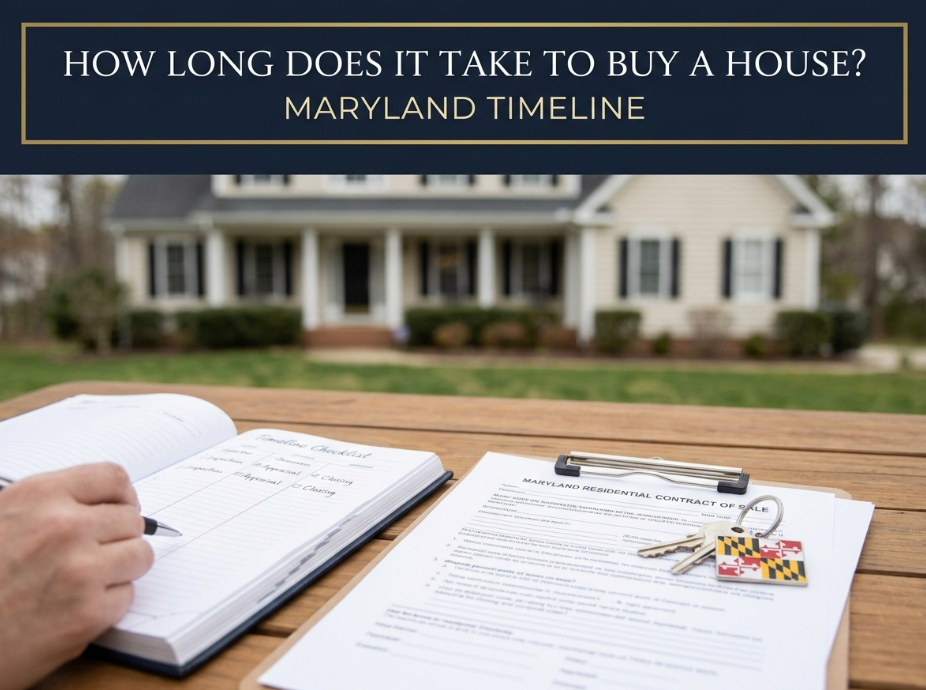
National guides place subdivision builds in a multi-month range, but your actual timeline depends on the home’s stage, permits, selections, labor, materials, inspections, and builder schedule. Treat the delivery date as an estimate unless the contract says otherwise.
| Buyer checkpoint | What should happen |
| Before contract | Budget, builder research, representation, financing |
| After contract | Deposit, design selections, lender updates |
| Before drywall | Independent inspection if permitted |
| Near completion | Appraisal, final loan approval, final inspection |
| Before closing | Walkthrough, punch list, final figures, occupancy approval |
If your lease or current-home sale depends on one exact move date, leave room for delays.
New Does Not Mean You Should Skip an Independent Inspection
A municipal inspection checks code compliance. Your independent inspector is looking at the home for you.
For a home under construction, the key opportunity may be before drywall, when framing, wiring, plumbing, HVAC components, and insulation are visible. A final inspection can check completed systems.
My Maryland home inspection contingency guide explains inspection rights in resale contracts. With a builder, confirm inspection access and notice requirements in the builder agreement.
Do not rely only on the final cosmetic walkthrough. Hidden construction issues matter more than paint touch-ups.
Maryland Gives New-Home Buyers Builder and Warranty Protections
Before buying new construction from a builder in Maryland, verify who is actually building the home.
The Maryland Attorney General’s new-home buyer guidance says home builders operating in Maryland, with a limited Montgomery County exception, must be registered with the Home Builder Registration Unit. Maryland also has statutory new-home warranty rules.
For a Prince George’s County single-family build, the county requires plans, approvals, builder registration documentation, permits, and inspections before final occupancy.
Ask for:
- builder registration information;
- warranty documents and exclusions;
- permit status;
- inspection milestones;
- final occupancy documentation;
- written warranty claim procedures.
Ask the Builder Questions That Change the Deal, Not Just the Kitchen
The best builder questions expose cost, control, and risk.
Before paying the deposit, ask:
- What exactly is included in the advertised price?
- Which lots carry premiums?
- Which upgrades must be paid before closing?
- When does my deposit become nonrefundable?
- What can the builder substitute if a material is unavailable?
- What happens if completion is delayed?
- Can my own inspector visit before drywall and closing?
- What warranty applies, and what is excluded?
- Are incentives tied to a preferred lender or title provider?
- What remains unfinished in the community when I move in?
- What punch-list work can remain after settlement?
Get important answers in writing.
African and Nigerian Home Buyers Should Protect Cash Beyond the Deposit
For some African and Nigerian families, a Maryland purchase competes with travel, family support, business plans, or future household needs. Do not let upgrades consume the reserves you planned to keep after closing.
Before choosing another design package, ask whether it improves daily living enough to justify the cost. Keep documentation for transferred funds, gift money, or large deposits.
If you are comparing property types, my Maryland house-versus-condo guide for African home buyers can help clarify how space, maintenance, fees, and long-term use fit your family.
Make the Builder Compete for Your Business, Not Just Your Attention
The step-by-step process of buying a new construction home should end with a decision about the whole deal, not the prettiest model.
Compare the final price, financing, lot, upgrades, expected delivery, inspection access, warranty, HOA, commute, and resale practicality. Then compare that package with other new communities and available resale homes.
Compare DMV homes for sale with builder inventory before assuming new construction is the better value.
Through my Maryland home-buying service, my team and I help home buyers across Prince George’s County and the wider DMV evaluate the property, numbers, contract milestones, and negotiation points before commitment.
If you are considering a builder community, contact me about your Maryland home plan before your first serious sales-office visit. Bring the community name, advertised price, target floor plan, financing status, and move timeline so we can identify the questions that matter before you sign.
FAQs
How does buying a new construction home work?
You choose the builder, lot, or completed home, review pricing and financing, sign the builder contract, complete selections, monitor construction, inspect, walk through, and close.
How long does buying a new construction home take?
A completed spec home may close relatively quickly. A to-be-built home can take several months or longer depending on permits, construction stage, materials, weather, and builder scheduling.
How do you pay for a new construction home?
Production builders commonly require a contract deposit and may require payments for certain upgrades. Mortgage funds generally cover the remaining purchase amount at closing, subject to lender approval.
Should first-time home buyers get an inspection on new construction?
Yes. New construction can still have defects. Ask whether your contract allows independent pre-drywall and final inspections, then schedule them within the builder’s required notice windows.
Can home buyers negotiate with a new construction builder?
Sometimes. Base-price flexibility varies, but buyers may find opportunities involving upgrades, closing credits, rate incentives, inventory homes, lot premiums, or other contract terms.